

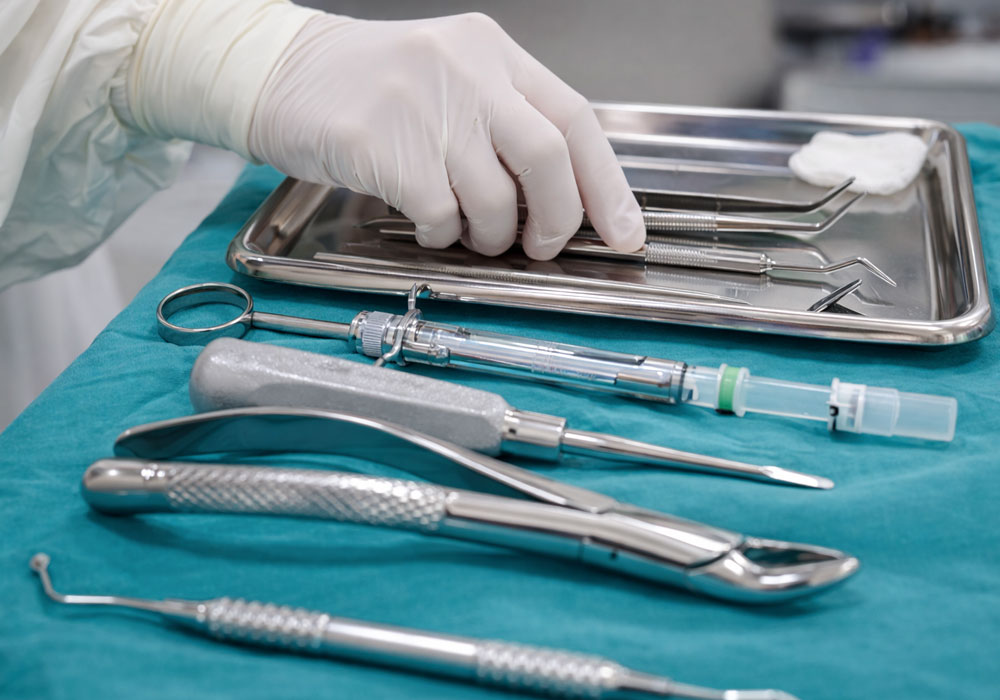
Dental surgery is a specialized area of dentistry that focuses on treating diseases, injuries, and defects involving the teeth, gums, and jaw. The success of any oral surgical procedure depends not only on the dentist’s skill but also on the proper selection and handling of dental surgery instruments. These instruments are carefully designed to provide precision, safety, and efficiency during treatment.
1. Anesthesia Instruments
Before starting most dental surgical procedures, local anesthesia is administered to ensure patient comfort.
Common anesthesia instruments include:
Aspirating Syringe – Holds the anesthetic cartridge and allows controlled injection.
Anesthetic Cartridge – Contains the local anesthetic solution.
Disposable Needles – Available in different lengths for various injection techniques.
Proper anesthesia techniques reduce pain and anxiety during surgery.
2. Soft Tissue Surgical Instruments
Soft tissue management is essential in procedures like gum surgery and biopsies.
Important instruments:
Scalpel and Blade – Used for making clean incisions.
Tissue Forceps – Help hold and manipulate soft tissue.
Surgical Scissors – Used for trimming tissue and cutting sutures.
These instruments must be sharp and sterile to ensure precise cuts and proper healing.
3. Hard Tissue and Bone Instruments
Certain dental surgeries involve reshaping or removing bone.
Common hard tissue instruments include:
Rongeurs – Used to cut and contour bone.
Surgical Handpiece with Burs – Allows controlled bone removal.
Bone Chisels – Used for precise bone cutting in specific cases.
These tools require careful handling to prevent excessive trauma.
4. Extraction Instruments
Tooth extraction is one of the most common dental surgical procedures.
Main instruments include:
Elevators – Loosen the tooth from the surrounding ligament.
Extraction Forceps – Grip and remove the tooth from the socket.
Each forceps type is specifically designed for upper or lower teeth.
5. Suturing and Post-Operative Instruments
After completing the surgical procedure, proper wound closure is essential.
Key instruments include:
Needle Holder – Secures and guides the suture needle.
Sutures – Used to close the surgical wound.
Gauze Packs – Help control bleeding and protect the area.
Effective suturing supports faster recovery and reduces complications.
Sterilization and Safety Protocols
All dental surgical instruments must undergo thorough cleaning and sterilization, typically using an autoclave. Strict infection control measures are necessary to prevent cross-contamination and ensure patient safety.
Conclusion
Dental surgery instruments play a critical role in delivering safe and effective oral healthcare. From anesthesia administration to suturing, each instrument serves a specific purpose in the surgical process. Mastery in handling these tools, along with proper sterilization and maintenance, ensures successful treatment outcomes and enhances patient comfort.
With continuous advancements in dental technology, surgical instruments are becoming more precise, ergonomic, and efficient—supporting the future of modern dentistry.