

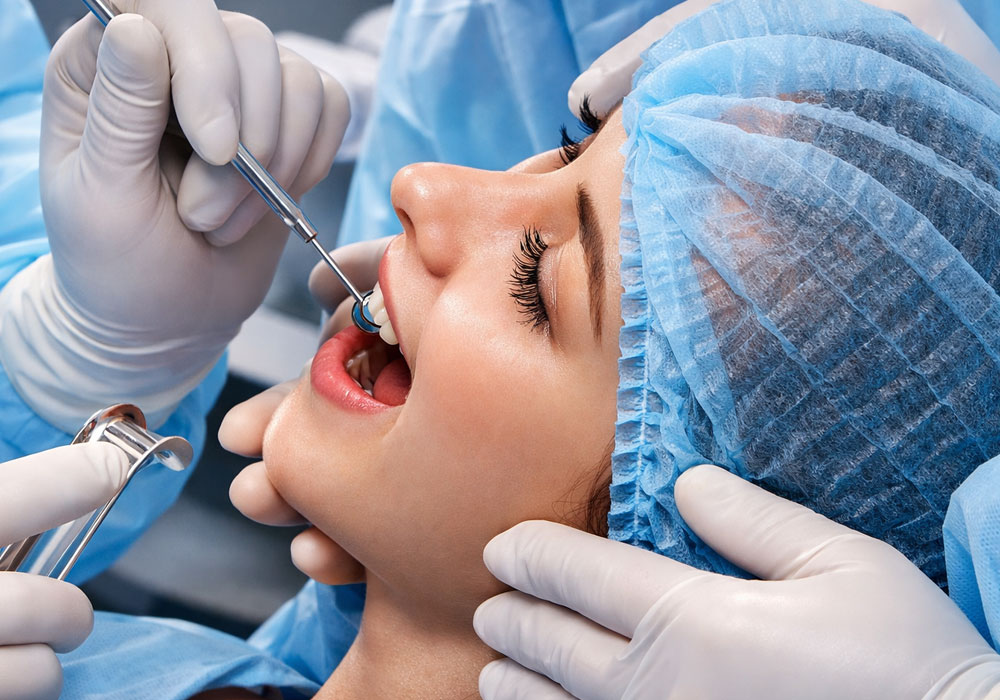
Dental surgery is a specialized branch of dentistry that focuses on diagnosing and treating complex oral conditions through surgical procedures. The success of these treatments depends greatly on the quality, design, and correct use of dental surgery instruments. These tools are carefully engineered to provide accuracy, control, and safety during every stage of treatment.
1. Basic Surgical Setup Instruments
Before any surgical procedure begins, a properly arranged surgical tray is essential. This setup ensures smooth workflow and reduces procedure time.
Common setup instruments include:
Surgical trays
Kidney trays
Sterile drapes
Gauze holders
An organized setup improves efficiency and minimizes contamination risk.
2. Incision and Tissue Management Instruments
Precise soft tissue management is critical in dental surgery, especially during flap procedures and implant placements.
Key instruments include:
Scalpel Handle with Blades – Used for clean and controlled incisions.
Periosteal Elevator – Separates gum tissue from bone.
Tissue Forceps – Hold and stabilize soft tissue.
These instruments help reduce trauma and promote faster healing.
3. Bone Surgery Instruments
In procedures like impacted tooth removal or dental implants, bone modification may be required.
Common bone instruments:
Bone File – Smooths sharp bone edges.
Rongeur Forceps – Cuts and trims bone.
Surgical Handpiece with Burs – Removes bone precisely.
Modern instruments are designed to minimize vibration and heat, ensuring patient comfort and safety.
4. Hemostasis and Bleeding Control Instruments
Controlling bleeding is vital during oral surgery to maintain a clear working field.
Important tools include:
Hemostats – Clamp blood vessels.
Suction Devices – Remove blood and fluids.
Sterile Gauze – Absorbs blood and protects the surgical area.
Proper bleeding control ensures visibility and reduces complications.
5. Suturing and Post-Surgical Instruments
After completing the procedure, the surgical site must be properly closed.
Essential suturing tools:
Needle Holder – Secures the needle while stitching.
Surgical Scissors – Trim sutures.
Suture Materials – Dissolvable or non-dissolvable threads.
Correct suturing supports healing and reduces infection risk.
Sterilization and Maintenance
All dental surgery instruments must be sterilized in an autoclave before and after use. Regular maintenance ensures sharpness, durability, and optimal performance. Proper infection control protocols protect both patients and dental professionals.
Final Thoughts
Dental surgery instruments are the backbone of oral surgical procedures. Their precision, quality, and correct handling directly impact treatment success and patient comfort. As dental technology advances, instruments continue to evolve—becoming more ergonomic, efficient, and safe.
A well-equipped dental clinic, combined with skilled professionals, ensures the highest standard of surgical care and patient satisfaction.