




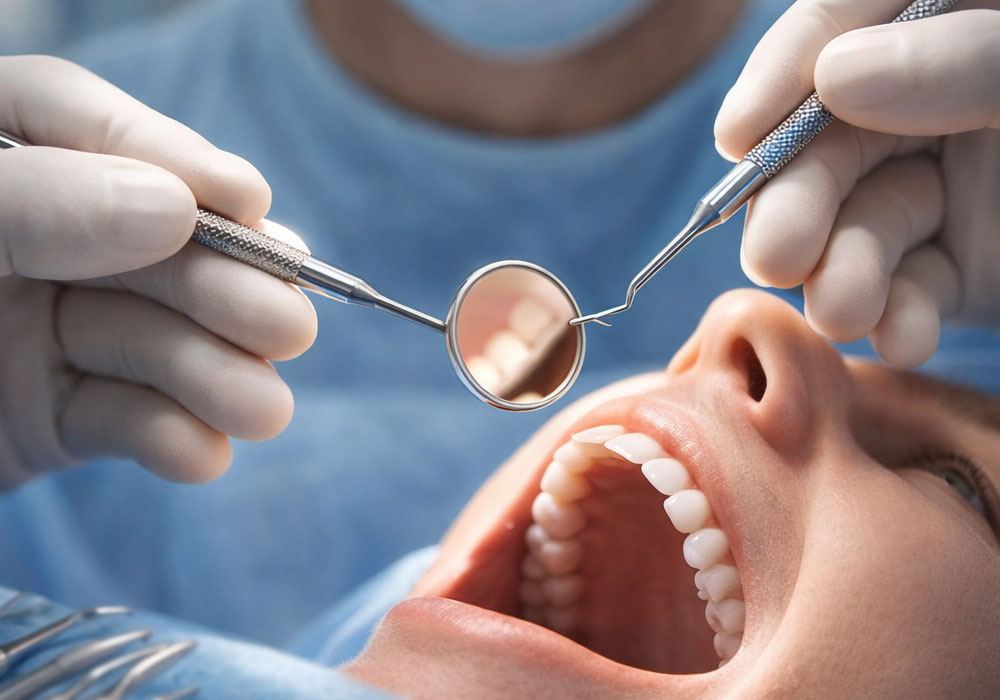
Dental surgery is a precise and highly skilled field that requires specialized instruments to ensure safe, effective, and comfortable treatment for patients. From simple tooth extractions to complex oral surgeries, dental professionals rely on a wide range of carefully designed tools. Each instrument has a specific purpose, contributing to accuracy, hygiene, and efficiency in clinical procedures.
1. Examination Instruments
Examination instruments are the foundation of dental diagnosis. These tools help dentists inspect the oral cavity and detect problems such as cavities, plaque, gum disease, and oral lesions.
Common examination instruments include:
Mouth Mirror – Provides indirect vision and reflects light into the mouth.
Explorer (Probe) – Used to detect cavities and check tooth surfaces.
College Tweezers (Cotton Pliers) – Used to handle small objects like cotton rolls.
These instruments are usually made of stainless steel for durability and sterilization safety.
2. Extraction Instruments
Extraction instruments are used to remove damaged, decayed, or impacted teeth.
Key extraction tools include:
Dental Forceps – Designed to grasp and remove teeth. Different forceps are used for upper and lower teeth.
Elevators – Used to loosen teeth from surrounding tissues before extraction.
Root Tip Picks – Help remove broken root fragments.
These instruments are shaped to fit specific tooth types and ensure minimal trauma during removal.
3. Surgical Cutting Instruments
Cutting instruments are essential in oral surgeries such as gum reshaping, flap surgeries, and biopsies.
Common cutting tools include:
Scalpel and Blades – Used for making precise incisions in soft tissue.
Surgical Scissors – For cutting sutures or soft tissues.
Bone Rongeurs – Used to trim or shape bone.
Curettes – Remove infected tissue or debris.
Precision and sterility are critical when using these tools to prevent infection and ensure smooth healing.
4. Suturing Instruments
After surgical procedures, suturing instruments are used to close wounds and promote proper healing.
These include:
Needle Holder – Holds the suture needle firmly.
Tissue Forceps – Grip soft tissue during suturing.
Surgical Sutures – Materials used to stitch tissue.
Proper suturing reduces bleeding, prevents infection, and speeds up recovery.
5. Suction and Supporting Instruments
These instruments assist the dentist during procedures by maintaining a clear working field.
Saliva Ejector – Removes saliva and fluids.
High-Volume Suction – Clears blood and debris.
Cheek Retractors – Improve visibility by holding cheeks and lips away.
A dry and visible operating area increases safety and precision.
Importance of Sterilization
All dental surgery instruments must be properly sterilized using autoclaves to eliminate bacteria and viruses. Maintaining strict infection control standards protects both patients and dental staff.
Conclusion
Dental surgery instruments play a vital role in ensuring successful treatment outcomes. Each tool is specifically designed to perform a unique function, whether diagnosing, cutting, extracting, or suturing. With advancements in dental technology, these instruments continue to improve in design and efficiency, allowing dentists to provide safer, faster, and more comfortable care.
Proper knowledge and handling of dental instruments are essential for every dental professional, making them the backbone of modern dental practice.